What to Expect on a Guided River Fishing Trip in Virginia
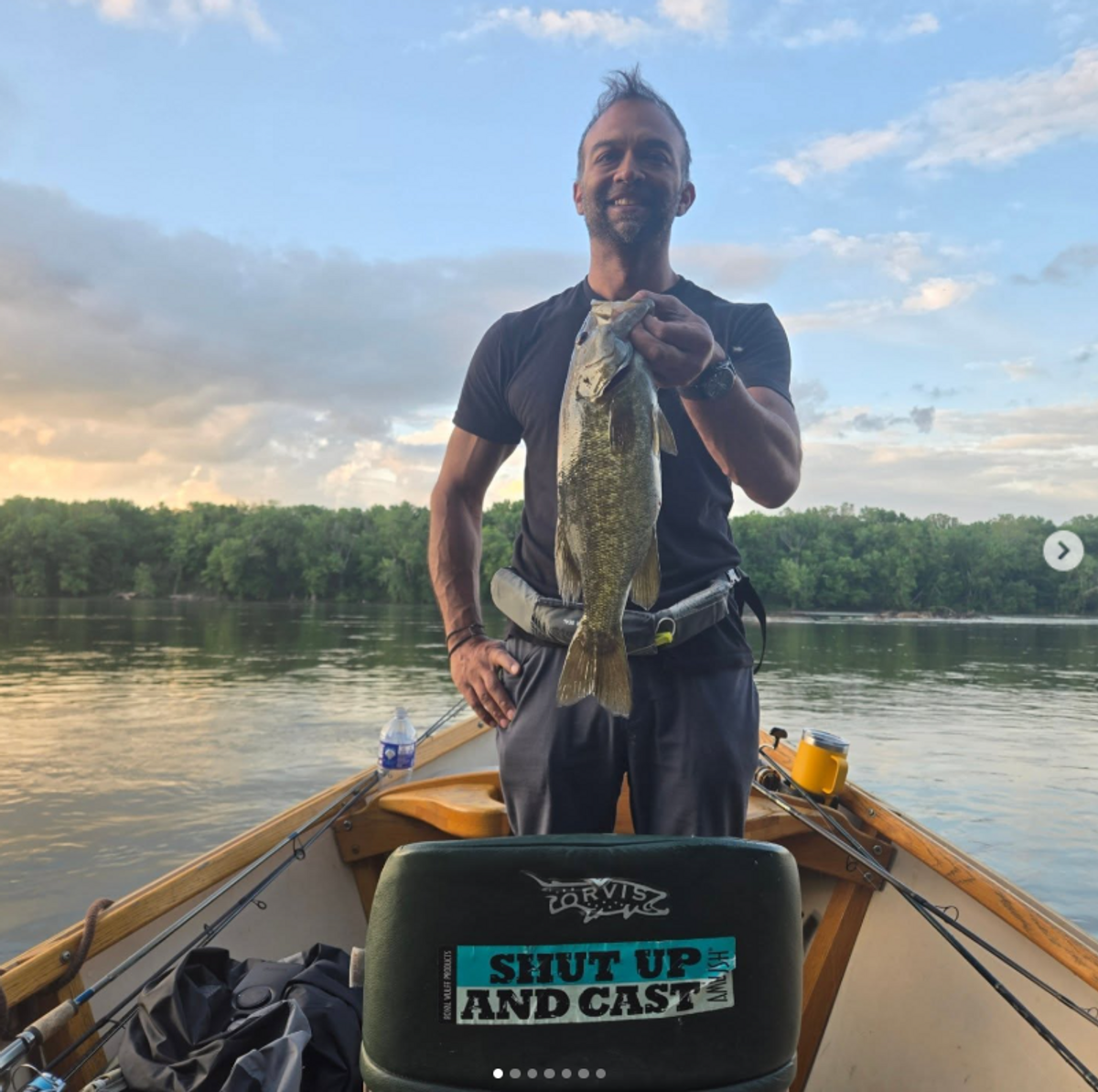



 Published: Nov 25, 2026
 7 min read
Summary
A step-by-step look at how a guided river fishing day works, from meeting your guide to learning on the water. Written for first-timers booking a Virginia fishing guide who teaches patiently.
Before You Ever Leave the Dock
A guided river fishing trip in Virginia starts well before you step into the boat. You will talk with your guide about who is coming, how much fishing experience the group has, and what you hope to get out of the day. For a first-timer, that conversation matters more than any piece of gear. It tells the guide where to begin.
With Fish Head Guides, Captain Butch Murphy treats a beginner as someone to teach, not someone to get through the day. He has been guiding since 1995 and has spent years helping people who have never held a rod find their footing. If you have never fished a river, say so up front. Nobody expects you to arrive knowing how to read moving water.
It also helps to ask a few practical questions when you book. Find out what to wear, what to bring, and what the guide handles for you. Guides run their trips differently, so get those details from the guide directly instead of assuming.
Meeting Your Guide and Getting Oriented
The first few minutes of the day set the tone. You meet your guide, sort out the plan, and get a short walk-through of how the day will run. A good guide explains the basics of the boat, where to sit, and how to move around so you stay steady and safe while fishing.
Expect some plain talk about the river itself. Current, depth, and structure decide where fish hold, and your guide will point these out as you go. Butch is a Captain with decades of charter experience, and that habit of explaining what he sees is a large part of what you are paying for. You are not just fishing. You are learning to see the water.
Ask questions freely here. Why that bank, why that seam, why now? A guide who enjoys teaching will answer every one of them.
Time on the Water
Once you are on the river, the pace is steady and unhurried. A float lets you cover a lot of water while the guide positions the boat so you get clean casts at the spots most likely to hold fish. You spend your attention on the fishing while the guide handles the rowing, the boat position, and the choices about where to stop.
Butch's rate cards describe floats built around reading the current and following the flow to find where hard-fighting river bass hide. That gives you a sense of how the day is shaped. You work along the river, watch how the water moves around rocks and bends, and fish the places where a bass would want to sit out of the current.
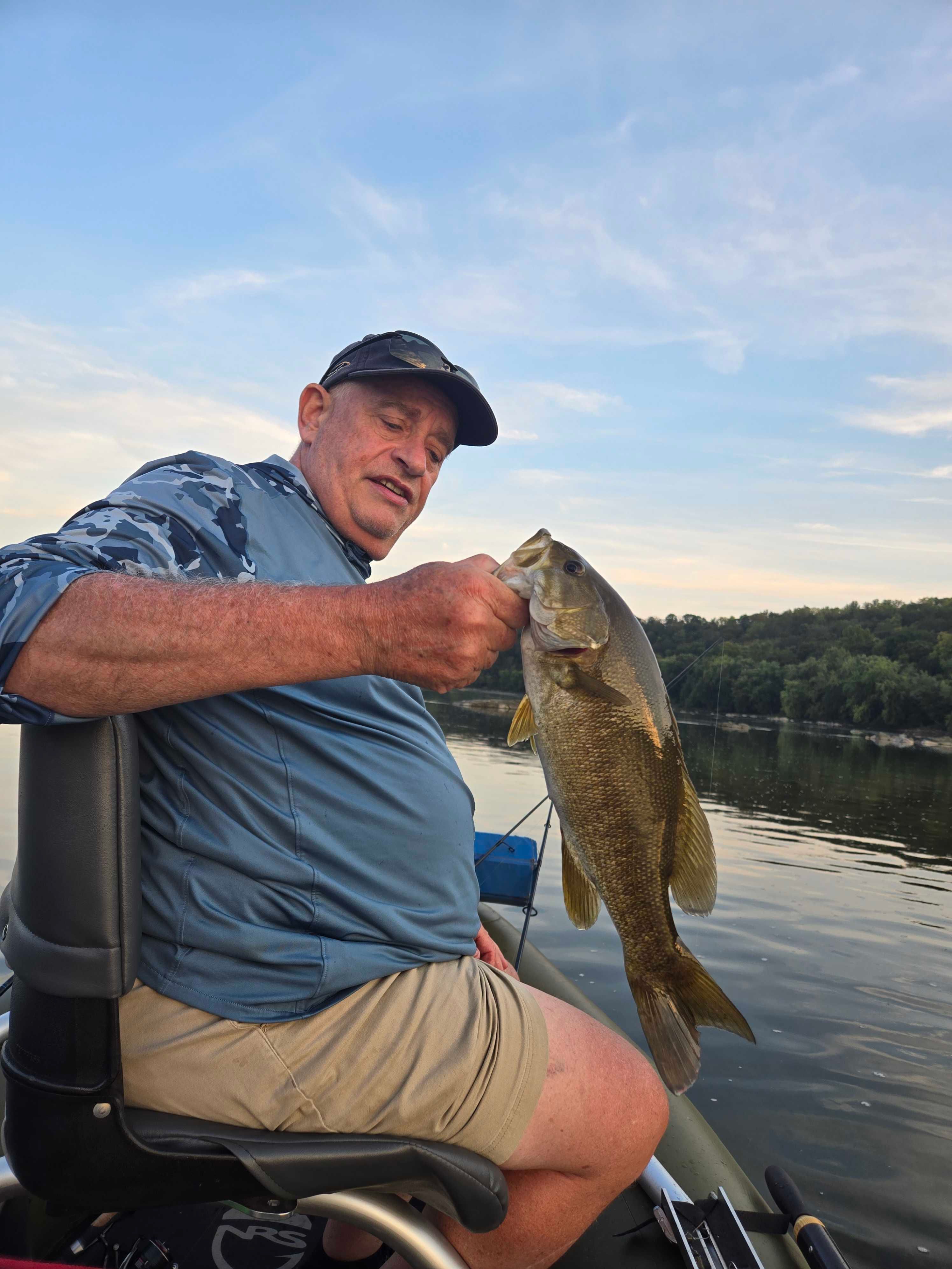
Do not expect non-stop action, and do not judge the day by the number of fish alone. River fishing has quiet stretches. Those slower moments are often when the guide does the most teaching, showing you how to adjust your cast, your drift, or your spot.
Hands-On Instruction, Step by Step
The core of a good first trip is the coaching. Most guides break it down into small pieces so nothing feels overwhelming. A typical flow looks like this:
- Handling the rod and getting comfortable with the basic motion of a cast
- Learning to place the cast where the fish are likely to be
- Controlling your drift so the presentation looks natural in the current
- Recognizing a bite and knowing when to set the hook
- Playing the fish and bringing it to the boat
Your guide watches each step and corrects small things as they happen. A slight change in where you stand or how you move your wrist can turn a missed cast into a good one. That kind of feedback is hard to get fishing alone, and it is the main reason to hire a guide for your first outing.
Butch works with fly fishing and offers the freedom to spin fish as well, so the approach can fit what you want to learn. Tell him which you prefer. If you are curious about fly fishing, a beginner is a fine place to start with a patient teacher beside you.
Keeping the Day Comfortable
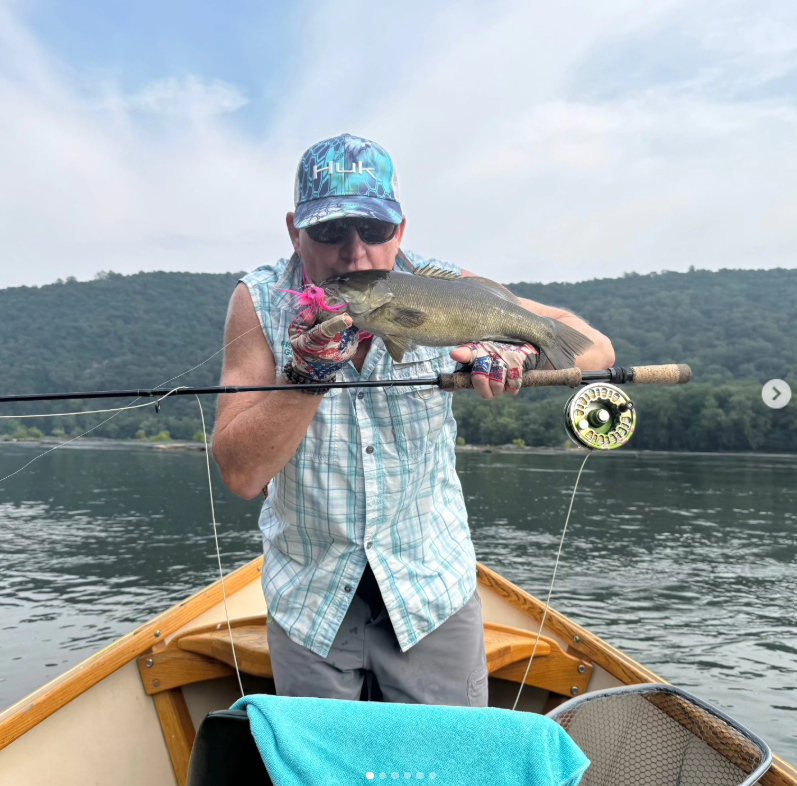
Comfort makes the learning easier. Fish Head Guides runs trips from a 16 ft. High Side Drift Boat that holds two people, which keeps the setting personal and the instruction focused. With only two anglers aboard, the guide can give each person real attention instead of splitting time across a crowd.
Dress for a day outdoors and be ready for the weather to shift. Bring the small personal items you would want on any day on the water, and check with your guide on anything else. If you have questions about what is provided, ask when you book so there are no surprises at the ramp.
Setting Honest Expectations
The best way to enjoy a guided river trip is to treat it as a lesson as much as a fishing day. You may catch plenty, or you may spend the morning learning why the fish are not biting yet. Either way, you leave knowing more about reading a river than you did when you arrived.
Plan to ask for what you want. If you want to focus on casting, say so. If you would rather spend the time chasing bass in the current, say that instead. A guide who listens can shape the day around your goals, and that is where a trip with a patient teacher pays off. When you are ready to book your first guided river fishing trip in Virginia, reach out to Fish Head Guides and tell Butch where you are starting from.